
How High Temperature Affects LED Displays and How to Protect Them

High temperature is one of the most common but often overlooked causes of LED display performance loss and early failure. In real installation environments, especially for outdoor advertising screens, stadium displays, transparent LED displays behind glass, and industrial visualization systems, thermal stress can build up far beyond standard laboratory conditions.
This guide explains how heat affects LED displays, what risks it creates for long-term operation, and how to choose a more temperature-resistant system for commercial and industrial projects.

What Is High-Temperature Risk in an LED Display System?
High-temperature risk refers to the performance loss, accelerated aging, and potential component failure that occur when an LED display operates above its recommended thermal range for a prolonged period. This issue affects both outdoor and indoor projects, although it is typically more severe in high-brightness or poorly ventilated installations.
An LED display is a complete electronic and optical system rather than a single light-emitting surface. It includes LED chips, encapsulation materials, PCB boards, driver ICs, power supplies, receiving cards, sending cards, video processors, control software, cabinet structures, and data cabling. When thermal load increases, all of these elements may be affected directly or indirectly.
From a B2B purchasing perspective, high-temperature risk should be evaluated through several practical indicators:
brightness retention over time
color consistency between modules
rate of dead pixels and module failure
stability of the LED control system
durability of signal transmission and internal connections
maintenance frequency and replacement cost
suitability for specific climate and installation conditions
This is why heat resistance should be treated as a system-level design concern rather than only a chip-level specification.
How Does High Temperature Affect LED Displays?
High temperature affects LED displays through optical, material, and electrical mechanisms. Some effects are immediately visible, while others develop gradually and reduce the screen’s long-term reliability.
Why Does High Temperature Reduce LED Brightness?
As LED junction temperature increases, the semiconductor bandgap narrows, reducing internal quantum efficiency. In simple terms, a higher portion of the electrical energy is converted into heat instead of visible light. This lowers luminous efficiency and reduces effective brightness under the same electrical input conditions.
For outdoor fixed LED displays and high-brightness commercial screens, this is especially important because daytime visibility depends on sustained light output. A display may have a strong nominal brightness specification, but actual field brightness can decline noticeably when thermal load rises.
How Does Heat Accelerate Light Decay?
Light decay refers to the gradual loss of brightness during the working life of the display. Elevated temperature speeds up this process. High heat causes micro-defects within chip materials and package structures to expand faster, increasing non-radiative recombination and reducing visible light output.
At the same time, phosphor compounds and encapsulation materials may degrade more quickly. Once thermal aging becomes significant, brightness loss usually cannot be reversed. For long-term projects such as transportation signage, retail branding screens, and public information displays, this directly affects asset value and maintenance planning.
Why Can High Temperature Cause Permanent Material Damage?
LED packaging often uses epoxy resin, silicone, and bonding materials to protect the chip and maintain optical performance. Under excessive temperature, these materials may soften, yellow, crack, or partially delaminate. Structural instability in the package can weaken the connection between chip and circuit, creating dead pixels, intermittent failures, or complete module damage.
In harsh outdoor environments, this risk is amplified by the combined effects of heat, ultraviolet exposure, dust, and humidity. This is why module material quality is a critical selection factor in LED display procurement.
How Does Heat Cause Color Shift and White Balance Problems?
Red, green, and blue LED chips do not respond to heat in exactly the same way. Their brightness levels decline at different rates as temperature increases, which causes white balance drift and visible color inconsistency across the display.
The result may appear as warmer whites, cooler whites, pinkish areas, yellow tint, or blue imbalance. In fine-pitch LED displays used in control rooms, studios, conference centers, and premium visual applications, even small color deviations can reduce image quality and make calibration more difficult.
Why Does High Temperature Limit Current Injection?
At higher temperatures, the current that can safely pass through the LED chip and related circuits becomes more restricted. This reduces the display’s maximum brightness capability and may trigger protective control logic. Many systems use control software and built-in thermal sensing to automatically lower brightness or adjust operating status when temperature exceeds a certain threshold.
This kind of protection is useful, but it also means real-world performance in hot conditions may differ from standard specification-sheet values.
What Technical Failures Can Heat Trigger in LED Displays?
Heat-related problems go far beyond brightness loss. In poorly managed systems, thermal stress may cause structural, electrical, and communication failures across the display architecture.
Common heat-related failure mechanisms include:
LED chip overheating and premature failure
accelerated lumen depreciation
epoxy or silicone deformation
phosphor decay and washed-out colors
solder joint fatigue caused by repeated thermal cycling
PCB stress and reduced electrical stability
power supply overheating or efficiency loss
receiving card instability in poorly ventilated cabinets
connector aging and intermittent communication faults
corrosion risk in hot and humid environments
For large LED video wall projects, excessive cabinet temperature can also affect the reliability of the LED control system, including the sending card, receiving card, video processor, control software, and the overall signal transmission path. In other words, heat should be assessed not only as an optical issue, but also as a system integration issue.
What Types of LED Displays Are Most Affected by High Temperature?
Some product categories are more exposed to thermal stress because of their working environment, brightness demand, or operating pattern.
Outdoor Fixed LED Displays
Outdoor fixed LED displays usually face the highest direct thermal exposure. They operate in sunlight, deal with high ambient temperature, and often run at high brightness for long periods. Cabinet structure and heat dissipation design are therefore critical.
Fine-Pitch LED Displays for Control Rooms
Fine-pitch LED displays are generally installed indoors, but many operate continuously in mission-critical environments. If ventilation is weak or cabinet spacing is too tight, heat accumulation can still become a serious issue. These displays also have stricter color and uniformity requirements, so thermal effects are more noticeable.
Rental LED Screens for Events and Concerts
Rental LED screens are often used outdoors in summer, exposed to temporary setups, high operating intensity, and repeated transport. They may also be stored in hot warehouses or vehicles, which adds another layer of thermal stress.
Transparent LED Displays in Glass Installations
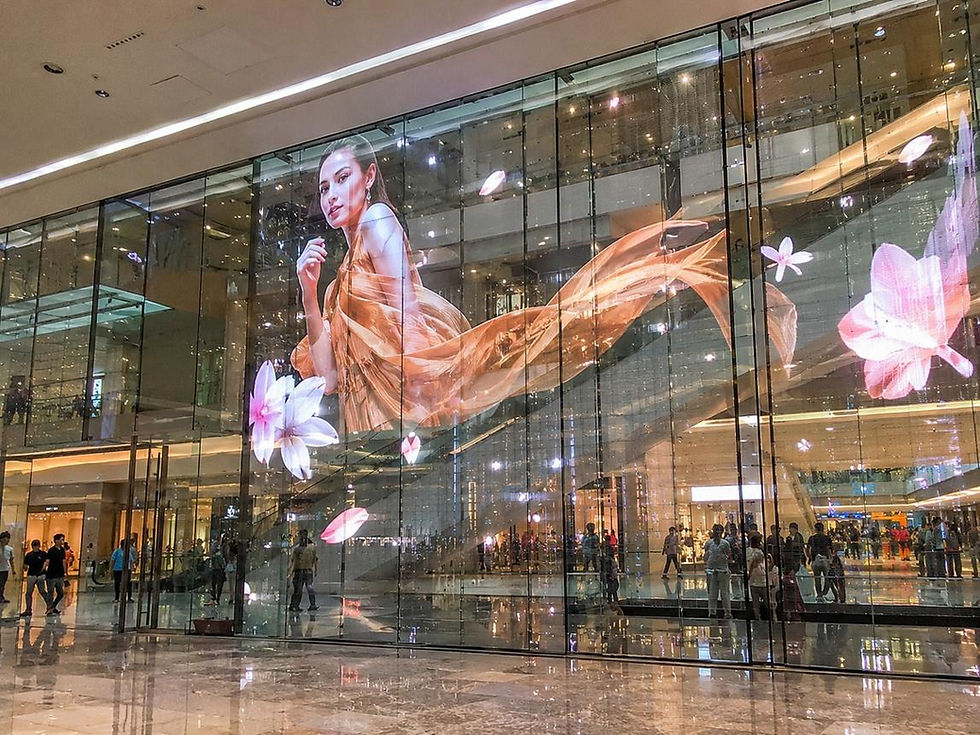
Transparent LED displays installed behind glass façades can be affected by a greenhouse effect. Heat becomes trapped between the display and the glass surface, especially when solar radiation is strong and natural airflow is limited.
High-Brightness LED Displays in Tropical or Desert Regions
Projects in tropical, desert, or high-sunlight areas require stronger temperature resistance by design. Standard outdoor specifications may not be sufficient if the screen is expected to maintain stable brightness and service life in those conditions.
Where Are High-Temperature Risks Most Commonly Seen?

High-temperature LED display problems are especially common in the following scenarios:
outdoor LED billboards exposed to direct sunlight
transparent LED screens behind glass curtain walls
stadium perimeter displays and sports venue scoreboards
control rooms operating 24/7 with limited airflow
transportation hubs and roadside digital signage
industrial facilities with nearby heat sources
mobile LED trailers used for outdoor events
rental screens stored in non-air-conditioned warehouses
When reviewing project risk, it is important to consider not only ambient climate, but also enclosure design, solar exposure, installation orientation, ventilation path, and operating duration.
What Are the Main Advantages of Temperature-Aware LED Display Design?
Temperature-aware design improves both immediate performance and long-term lifecycle value. For B2B buyers and integrators, this translates into more stable project delivery and lower operational risk.
Longer Lifespan
Effective heat management slows material aging and reduces stress on LEDs, power supplies, receiving cards, driver ICs, and related circuits.
More Stable Brightness and Color
Thermally optimized systems retain brightness and color consistency more effectively over time, which is essential for professional image presentation.
Lower Maintenance Cost
Fewer heat-related failures mean fewer module replacements, fewer on-site interventions, and less unplanned downtime.
Better Control System Stability
A thermally stable environment also improves the reliability of the LED control system, including sending card, receiving card, video processor, and control software coordination.
Safer Operation in Demanding Projects
For outdoor and industrial deployments, good thermal design helps reduce the chance of blackout, structural degradation, and recurring service issues.
What Are the Main Limitations Without Temperature Protection?
If a display lacks proper thermal design, several practical limitations may appear over time:
Chip overheating: reduced brightness and shorter service life
Epoxy or silicone deformation: dead pixels and module instability
Phosphor thermal decay: color washout and uneven whites
RGB imbalance: visible color shift across the screen
Current limitation under heat: lower maximum brightness
Poor cabinet ventilation: heat buildup and unstable electronics
Long-term operation in hot conditions: more maintenance and earlier replacement
For procurement teams, these risks often lead to a lower real return on investment, even if the initial purchase price seems attractive.
How to Choose the Right LED Display for High-Temperature Conditions?

Choosing a heat-resistant LED display system requires a broader evaluation than brightness and pixel pitch alone. The goal is to assess how the complete system behaves under long-term thermal load.
What Cabinet Materials Support Better Heat Dissipation?
Aluminum and magnesium alloy cabinets usually offer stronger heat dissipation than less conductive alternatives. Structural design should also prevent thermal concentration around power supplies, receiving cards, and driver boards.
What LED Packaging Materials Are Better for Hot Environments?
Look for modules that use high-temperature-resistant epoxy resin, stable silicone encapsulation, and LED packages designed for outdoor or high-brightness use. Material durability strongly influences long-term screen reliability.
Does the System Support Temperature Monitoring?
A professional LED display system should support internal temperature sensing, warning logic, and automatic brightness adjustment. These functions are often managed through the control software and integrated control architecture.
How Important Is the Full Control and Signal Chain?
For large or distributed installations, thermal performance must be checked across the full signal transmission path, including the sending card, receiving card, video processor, and control interfaces. Weak thermal design in these parts can create communication instability even when the LEDs themselves are still functioning.
What Environmental Protection Ratings Should Be Considered?
For outdoor projects, many buyers prioritize IP65 or higher, anti-UV protection, and corrosion-resistant surface treatment. However, enclosure protection should be balanced with practical ventilation and heat dissipation strategy.
Should Buyers Request Thermal Test Data?
Yes. In commercial procurement, it is helpful to ask for thermal decay curves, brightness retention data, and environmental test records. These documents provide better decision support than headline specifications alone.
Why Should Product Choice Match the Actual Installation Scenario?
A display mounted behind glass in a sun-facing retail façade has different thermal requirements from a roadside billboard or a control room LED video wall. The selection should reflect actual installation conditions, operating hours, and maintenance expectations.
Which Brands Are Common in the Market for Heat-Resistant LED Display Systems?
In practice, thermal performance depends on both component suppliers and system integrators. Buyers often review the market across several levels.
LED Control System and Processing Brands
NovaStar — widely used for LED control systems, including sending cards, receiving cards, video processors, and control software
Mooncell — often seen in distributed control architecture and smart protection applications
LED Packaging and Chip-Related Brands
NationStar — commonly used in LED display packaging supply chains
Kinglight — widely recognized in commercial LED module manufacturing
Display Manufacturers Commonly Seen in Professional Projects
Unilumin
Leyard
Absen
When comparing suppliers, it is more useful to examine the actual product series, cabinet design, heat dissipation structure, control configuration, and project references than to rely only on the brand name.
Need Help Choosing an LED Display System for High-Temperature Environments?
If your project involves direct sunlight, high ambient heat, enclosed installation spaces, or continuous operation, choosing the right LED display system requires more than comparing brightness and pixel pitch.
A practical technical review should include:
display type for the installation environment
cabinet material and heat dissipation design
LED packaging material quality
control system compatibility
signal transmission architecture
temperature monitoring functions
long-term maintenance considerations
If you are planning a project in a high-temperature environment, contact our team for technical support, product evaluation, and system selection advice.
Conclusion
As we’ve explored, high temperature is one of the most persistent threats to LED display performance and lifespan. It erodes brightness, distorts color, accelerates component wear, and can even cause full system failures over time. The impact extends beyond individual panels, affecting every layer of your setup — from the LED chips to the control cards, power supplies, and signal transmission network.
The good news? Most thermal-related issues are preventable with proactive design choices. For any project — whether outdoor fixed installations, transparent facades, rental screens, or indoor fine-pitch systems — prioritizing thermal management from the start is the most effective way to ensure stability and reduce total cost of ownership.
Ready to apply these insights to your next project? We’re here to help.
Get a custom thermal design review for your high-temperature environment
Receive tailored product recommendations for your specific use case
Download our free checklist to assess thermal risks before you buy
Reach out to our technical team today to get started.


Comments