
Complete Guide to Professional LED Display Repair Services: Fault Diagnosis, Control System Logic, and Repair Planning

Professional LED display repair is the structured process of diagnosing, restoring, and optimizing an LED screen system at both hardware and software levels. In practice, it goes far beyond replacing a damaged module or swapping a power supply. A proper professional LED display repair workflow includes LED display fault diagnosis, signal-chain analysis, LED control system maintenance, cabinet-level inspection, software recovery, and post-repair verification. For engineers, system integrators, procurement teams, distributors, and B2B buyers, this matters because LED display performance depends on the interaction between modules, power distribution, control cards, video processors, and configuration files—not on any single part alone.
This guide explains how professional repair services fit into the full LED control architecture, what service categories are common in the market, where repair is most critical, and how to evaluate a repair plan from both a technical and procurement perspective.

1. Overview
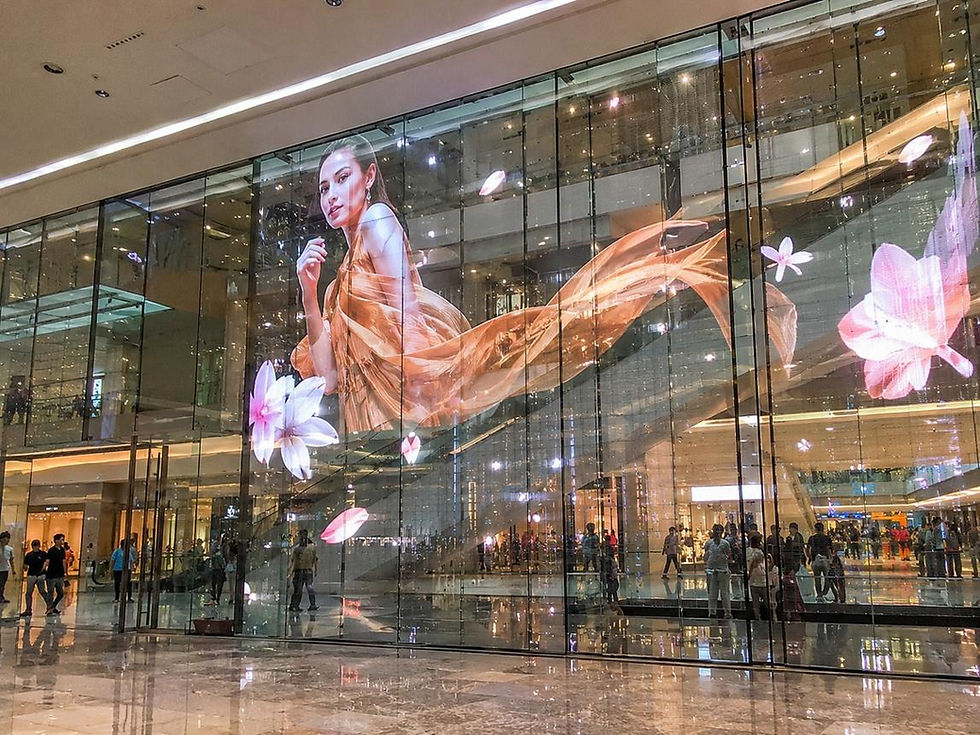
Professional LED display repair refers to a specialized technical service used to restore the normal operation, visual consistency, and electrical stability of LED screens used in commercial, industrial, public, and event environments. It typically covers indoor fine-pitch displays, outdoor fixed installations, rental LED walls, transparent screens, flexible displays, and interactive floor systems.
Unlike generic electronic repair, LED screen repair service requires a system-level understanding of how image data moves through the display. Content originates from a source device, passes through a video processor or controller, is transmitted by a sending card, decoded by receiving cards, and then rendered by LED modules mounted inside cabinets. If any point in that chain fails, the visible symptom may appear similar even when the root cause is completely different.
That is why LED display maintenance is closely tied to control logic, communication topology, and environmental operating conditions. A black panel may indicate module failure, but it may also result from power loss, HUB board damage, receiving card malfunction, cable faults, or incorrect module mapping. Similarly, flicker may be caused by unstable power, refresh mismatches, grounding issues, or configuration errors in the control software.
From a lifecycle management perspective, repair services usually fall into three broad goals:
Corrective repair after a fault has already occurred
Preventive maintenance to reduce failure risk and downtime
Refurbishment or partial upgrade to extend useful life without full replacement
For B2B users managing long-life assets, the value of repair is not only technical. It also affects spare parts planning, uptime expectations, service contracts, and long-term ownership cost.
2. Role in the LED Control System
To understand the value of repair services, it is useful to see where they sit within the broader LED control system.
An LED display system typically includes the following layers:
Input source such as a media player, PC, switcher, or broadcast system
Video processor or scaler
Sending card or integrated sending controller
Data transmission path, usually Ethernet or fiber in larger systems
Receiving cards inside each cabinet
HUB board connections between receiving card and LED modules
Power distribution, including AC input, switching power supplies, and DC output
LED modules, driver ICs, and cabinet communication structure
Control software for mapping, calibration, brightness management, and diagnostics
Professional repair services support the integrity of this entire chain. Their function is not limited to replacing failed components. Instead, repair acts as the technical bridge between visible screen symptoms and underlying system behavior.
For example:
If multiple cabinets lose image in sequence, the fault may be related to cabinet communication rather than the modules themselves.
If one module shows abnormal color or missing scan lines, the issue may involve the HUB board, flat cable, driver IC behavior, or receiving card output.
If the screen powers on but does not display content correctly, LED sending card troubleshooting or control software recovery may be required.
If outdoor cabinets fail intermittently during rain or heat cycles, the root cause may involve sealing degradation, power instability, or connector oxidation.
In this sense, repair services play four core roles in the LED control system:
Restoring Signal Continuity
Repair ensures that video data moves correctly from source to processor, from sending card to receiving card, and from receiving card to module outputs. Any break in that chain can cause partial blackout, scrambled image, or loss of synchronization.
Protecting Electrical Stability
Stable power distribution is essential for brightness consistency, scan performance, and control reliability. Repair work often includes voltage checks, load balancing, connector inspection, and replacement of aging power supplies.
Maintaining Configuration Accuracy
LED displays depend heavily on control software settings such as cabinet mapping, module dimensions, scan mode, receiving card parameters, and color calibration. Repair therefore often includes software-level validation, not just hardware replacement.
Preserving Mechanical and Environmental Integrity
Cabinet alignment, frame deformation, ventilation, waterproofing, and front or rear maintenance access all affect repairability and long-term performance. This is especially relevant for outdoor LED display repair and rental LED cabinet repair.

3. How Professional LED Display Repair Works
A professional repair process is usually systematic. The goal is to identify the real fault source rather than simply replace visible problem areas. This is particularly important because LED display systems often show similar symptoms for very different reasons.
Step 1: Symptom Collection and Initial Fault Classification
The process usually starts by documenting the fault in operational terms:
Is the issue constant or intermittent?
Does it affect one pixel, one module, one cabinet, one data chain, or the entire screen?
Did the issue begin after transport, weather exposure, software updates, or power events?
Does the fault appear during startup, under full brightness, or only with certain content?
At this stage, technicians classify the issue into likely fault domains:
Display layer fault
Power layer fault
Data transmission fault
Control configuration fault
Mechanical or environmental fault
This classification helps narrow the diagnostic path.
Step 2: Signal Chain Verification
A key part of LED display fault diagnosis is tracing the signal path upstream and downstream.
Upstream checks usually include:
Input source signal availability
Video processor settings and output format
Sending card status
Output port health and cable continuity
Downstream checks usually include:
Receiving card communication
Cabinet communication order
HUB board output integrity
Module response and scan behavior
This upstream or downstream method is important because many faults are misidentified at the module level when they actually originate in signal distribution. For example, if several cabinets in one line fail, technicians should inspect daisy-chain communication, port assignment, and receiving card status before replacing modules.
Step 3: Hardware Diagnosis
Once the signal path is checked, the next stage is hardware isolation. This often includes:
Measuring output voltage from power supplies
Checking flat cables and HUB board connections
Testing spare receiving cards in known-good cabinets
Swapping suspect modules to confirm whether the fault follows the module or stays with the cabinet
Inspecting solder joints, connectors, masks, and module pins
Looking for corrosion, thermal damage, or impact-related deformation
At this point, common repair targets include LED module repair, LED cabinet repair, power supply replacement, and LED receiving card repair.
Step 4: Software and Configuration Review
Hardware checks alone are not enough. Many service cases involve software misconfiguration, corrupted files, or mismatched parameters after card replacement.
Typical checks include:
Module mapping and cabinet layout
Scan mode and resolution parameters
Firmware and receiving card profile matching
Brightness and gamma settings
Redundancy configuration
Backup parameter loading
Screen connection order in control software
This is where LED control software recovery becomes critical. A repaired cabinet can still display incorrectly if the software parameters do not match the actual module type or wiring structure.
Step 5: Repair, Replacement, and Recalibration
After confirming the root cause, technicians perform the required repair actions, which may include:
Replacing modules or single damaged units where practical
Replacing power supplies
Reconfiguring or replacing sending and receiving cards
Repairing HUB board connections
Correcting cabinet alignment or lock positions
Re-sealing outdoor cabinets
Restoring software configuration backups
Once physical repair is complete, post-service recalibration is often necessary to restore brightness balance, white consistency, and acceptable visual uniformity across repaired and existing sections.
Step 6: Testing and Acceptance
Final verification should include both functional and operational testing:
Full-screen content playback
Solid-color test patterns
Grayscale and brightness ramp checks
Communication chain stability test
Thermal and runtime observation
Acceptance criteria based on dead pixel rate, color consistency, and cabinet integrity
For B2B projects, a proper testing and acceptance process is especially important because it creates a measurable basis for service completion.
4. Common Service Types
Professional LED display repair services are usually divided into several common categories.
Module and Pixel Repair
This includes replacement or repair of defective modules, dead LEDs, abnormal pixels, missing color channels, scan-line faults, and localized display inconsistency. It is common in retail video walls, indoor fine-pitch systems, and aging outdoor screens.
Power Supply and Control System Repair
This category covers switching power supplies, receiving cards, sending cards, video processor interfaces, cable faults, HUB board issues, and LED control system maintenance. It is central to cases involving blackout, flicker, unstable startup, or intermittent cabinet loss.

Structural Inspection and Cabinet Correction
Cabinet deformation, frame stress, mounting instability, misalignment, water ingress points, and damaged locks or connectors all affect screen performance. LED cabinet repair is especially relevant for rental products and outdoor fixed installations.
Software and Configuration Recovery
This service addresses damaged parameter files, mapping errors, card replacement setup, failed firmware updates, and communication mismatches. It is often needed after controller replacement or accidental software reset.
Preventive Maintenance
Preventive LED display maintenance includes cleaning, connector checks, thermal inspection, brightness assessment, backup of screen parameters, and periodic testing of power and communication components. This reduces surprise failures and helps maintain image consistency.
Emergency On-Site Service
For mission-critical projects, emergency support may include rapid dispatch, temporary bypass measures, module swaps, controller replacement, and short-term stabilization until full repair is completed. This is common for stadiums, municipal screens, transport signage, and live events.
5. Applications
Different applications place different demands on repair services because their operating conditions, downtime tolerance, and visual quality requirements vary.
Outdoor Advertising Screens
Outdoor LED display repair often involves waterproofing, power protection, thermal management, and long-distance communication reliability. These screens face rain, UV exposure, dust, and large temperature swings, so repair priorities extend beyond image restoration.
Stadium LED Displays
Stadium screens operate under high brightness, large-area synchronization, and event-driven uptime pressure. Repair work often focuses on signal distribution, cabinet communication, brightness consistency, and emergency response speed.
Retail Video Walls
Retail environments require strong visual uniformity because branding content is viewed at close range. Even small defects can be noticeable. Repair therefore tends to emphasize module matching, calibration, and low-disruption service windows.
Control Room Displays
Control room LED screens require high reliability, stable long-hour operation, and accurate image rendering. In these settings, repair services prioritize redundancy validation, fine-pitch accuracy, and careful acceptance testing.
Rental and Event LED Screens
Rental products are exposed to transport shock, repeated assembly, and connector fatigue. Service needs are often modular and fast-moving, with emphasis on cabinet repair, lock inspection, spare part rotation, and pre-event testing.
Municipal Information Screens
Municipal screens used for public notices, traffic information, or civic messaging often require long service life and predictable maintenance scheduling. Repair planning here usually includes remote diagnosis, environmental inspection, and spare parts continuity.
6. Advantages
Professional repair services offer several practical advantages:
They reduce downtime through structured diagnosis rather than guesswork.
They improve system reliability by addressing both root cause and symptom.
They support lifecycle extension, delaying full replacement where technically reasonable.
They help preserve visual consistency through recalibration and configuration matching.
They support safer operation by checking power distribution, thermal behavior, and cabinet condition.
They give procurement teams a more economical option than immediate new-system investment in many cases.
They improve serviceability across mixed installations using multiple control brands or legacy components.
For organizations managing multiple screens, repair also supports better asset planning and more predictable operational cost.
7. Limitations
Repair services also have limitations, and these should be evaluated realistically.
Aging systems may lack spare parts. Older modules, masks, power supplies, or receiving cards may be discontinued.
Visual matching is not always exact. Repaired sections may differ slightly in brightness or color from aged neighboring modules.
Some faults are intermittent and time-consuming to trace. Heat-related, humidity-related, or vibration-related issues can be difficult to reproduce.
Outdoor repairs may require structural access equipment. Service cost and scheduling can be affected by installation height and site conditions.
Low-cost repair may not solve root causes. Replacing only failed visible parts without checking control logic can lead to repeat failures.
In some cases, upgrade is more practical than repair. If the control platform is obsolete or the screen is mechanically degraded, refurbishment or system migration may offer better long-term value.
8. How to Choose the Right Repair Plan
Choosing a repair plan should involve both technical review and procurement logic.
Check System Compatibility
Confirm whether the service provider can support the existing LED control system, including sending card, receiving card, video processor, and control software environment. Compatibility is often the first practical filter.
Match the Plan to the Fault Type
A dead pixel cluster, recurring cabinet blackout, and processor communication failure require different service approaches. Good repair planning starts with a clear fault category.
Consider Display Resolution and Loading Structure
Fine-pitch indoor walls require higher precision and careful handling, while large outdoor screens may require structural review, load analysis, and weather-related repair methods.
Review the Signal Transmission Path
Check whether the issue may involve fiber transmission, Ethernet daisy-chain, processor output mapping, or backup path switching. Signal path complexity affects both diagnostic time and repair scope.
Evaluate Spare Parts Availability
A realistic repair plan should state whether matching modules, masks, receiving cards, power supplies, and connectors are available. Without spare parts continuity, repair may only be temporary.
Define Response Time
For stadiums, command centers, or public information screens, response time can be as important as repair capability. Service-level expectations should be documented.
Assess Maintenance Access
Front-service and rear-service systems have different labor requirements. Access limitations can significantly affect repair time, cost, and safety procedures.
Review the Software Environment
If the screen depends on specific control software versions, stored profiles, calibration databases, or custom mapping logic, these should be included in the repair scope.
Require a Testing and Acceptance Process
A professional plan should define how the repair will be validated, including test patterns, runtime testing, communication checks, and visual acceptance criteria.
9. Common Brands and System Compatibility
Professional LED repair services often work across mixed-brand ecosystems. Common control system brands seen in the market include:
NovaStar
Colorlight
Linsn
Huidu
Mooncell
A neutral service approach should focus less on brand preference and more on practical compatibility issues, such as:
Receiving card replacement and parameter matching
Sending card troubleshooting and port mapping
Firmware alignment across old and new cards
Module configuration import or export
HUB board interface matching
Cabinet communication sequence restoration
Software licensing or version dependency
Backup file availability after control hardware replacement
For system integrators and channel partners, this is an important point: a repair provider may be technically strong in module replacement but still struggle if they cannot restore screen configuration in the original software ecosystem.
10. Conclusion
Professional LED display repair is not simply a matter of replacing damaged modules. In most real-world projects, effective repair depends on accurate fault diagnosis, a clear understanding of the LED control system, and a practical service plan that matches the screen’s application, operating environment, and remaining lifecycle.
For engineers and integrators, the key is to identify whether the fault originates from the module layer, power distribution, cabinet communication, receiving card configuration, sending card output, or control software logic. For procurement teams and B2B buyers, the more important question is often whether repair is still the most economical and technically sound option compared with refurbishment or partial upgrade.
In general, repair is the right priority when the display structure remains stable, the control platform is still supportable, and spare parts are available. If failures become repetitive, system compatibility becomes harder to maintain, or visual performance no longer meets project requirements, a broader refurbishment or upgrade strategy may be the better choice.
A structured repair approach helps reduce downtime, improve maintenance efficiency, and extend the practical value of LED display assets. For organizations managing commercial, municipal, retail, rental, or control-room screens, repair should be treated as part of long-term system lifecycle management rather than as a one-time reactive task.
If you are evaluating an LED repair project, it is useful to prepare a simple checklist covering fault type, control system brand, signal path, spare parts status, maintenance access, software environment, and acceptance criteria before engaging a service provider. This makes technical discussions more efficient and helps define a repair scope that is realistic, measurable, and easier to execute.


Comments