
Complete Guide to Asynchronous LED Display Network Cluster Systems

1. System Overview
The Asynchronous LED Display Network Cluster System is an advanced and highly adaptable control solution designed to manage and operate multiple LED displays distributed across different locations without requiring continuous real-time signal input. Unlike traditional synchronous systems that depend on live video sources, asynchronous systems rely on local storage and scheduled playback, enabling each display to function independently while still being centrally managed.
This system is extensively deployed in smart city infrastructures, digital advertising networks, transportation systems, retail chains, and public information platforms, where stable performance, remote accessibility, and operational efficiency are critical.
With the rapid advancement of cloud computing, IoT connectivity, wireless communication (Wi-Fi / 4G / 5G), and embedded multimedia processors, asynchronous LED systems have evolved into intelligent, scalable, and resilient digital display ecosystems capable of supporting thousands of endpoints simultaneously.

2. System Role & Functional Positioning
The asynchronous LED cluster system acts as a distributed multimedia control and management platform, bridging the gap between centralized content control and decentralized display execution.
Core Functional Positioning:
· Centralized Control Center
Unified management of large-scale LED networks through web-based or cloud platforms
· Content Distribution Engine
Efficient transmission of multimedia programs to geographically dispersed displays
· Autonomous Playback System
Ensures each screen operates independently with preloaded content
· Remote Monitoring & Diagnostics Tool
Provides real-time visibility into device health and operational status
· Scalable Network Framework
Supports seamless expansion from single-node systems to city-wide deployments
· Multi-User Collaboration Platform
Enables role-based access for different departments or operators
This positioning makes the system particularly suitable for low-latency, high-reliability, and low-maintenance scenarios, especially where continuous connectivity cannot be guaranteed.
3. Working Principles
3.1 Content Creation & Scheduling
Operators use professional LED control software platforms (e.g., NovaStudio, HDPlayer, LEDART) to design and manage content. Supported media includes:
· Scrolling text, subtitles, and announcements
· Static images and dynamic slideshows
· High-definition video playback
· Audio (optional with supported hardware)
· Real-time widgets (weather, clock, RSS feeds, emergency alerts)
Advanced scheduling features allow:
· Time-based playback (daily/weekly/monthly)
· Multi-program playlists
· Priority insertion (urgent messages override scheduled content)
3.2 Content Transmission
Content distribution supports multiple communication channels:
· Wired Networks: LAN / Ethernet for stable high-speed transmission
· Wireless Networks: Wi-Fi for flexible local deployment
· Cellular Networks: 4G / 5G for remote or mobile applications
· Offline Methods: USB flash drive or TF card for manual updates
The system can automatically select the optimal transmission method based on network availability.
3.3 Local Storage & Autonomous Playback
· Programs are stored in onboard flash memory or external storage modules
· Each display controller includes a built-in media player and decoder
· Screens continue playback even during network disconnection or power recovery scenarios
· Supports breakpoint resume and automatic reboot playback
This ensures high system resilience and uninterrupted visual output.
3.4 Cluster Management & Cloud Control
Cloud-based platforms enable centralized management of distributed displays with features such as:
· Real-time status monitoring (online/offline, temperature, voltage, signal strength)
· Remote content publishing and batch updates
· Device grouping by region, function, or business unit
· Playback log tracking and audit trails
· Alarm notifications for faults or abnormal conditions
4. Product Classification
4.1 Single Asynchronous Control System
· Entry-level solution for standalone displays
· Integrated storage and basic playback scheduling
· Easy installation and minimal configuration
· Suitable for retail stores, banks, and small offices
4.2 Cluster Network Control System
· Designed for multi-screen deployments
· Centralized control via LAN or cloud platforms
· Supports synchronized playback across multiple locations
· Ideal for chain stores, campuses, and municipal networks
4.3 4G/5G Cloud Control System
· Utilizes cellular connectivity for remote communication
· Eliminates dependence on wired infrastructure
· Supports real-time content push, GPS positioning, and remote diagnostics
· Commonly used in vehicle-mounted LED displays and rural installations
4.4 Hybrid Synchronous-Asynchronous System
· Combines real-time signal input with offline playback capability
· Supports HDMI input for live events while maintaining scheduled content
· Automatically switches between modes based on operational needs
· Suitable for conference centers, sports venues, and broadcasting environments
5. Applications
Asynchronous LED cluster systems are widely used across multiple industries:
· Smart City Systems
Public information displays, emergency notification boards, and traffic guidance
· Transportation Networks
Bus stops, railway stations, airport displays, and metro signage
· Retail & Commercial Advertising
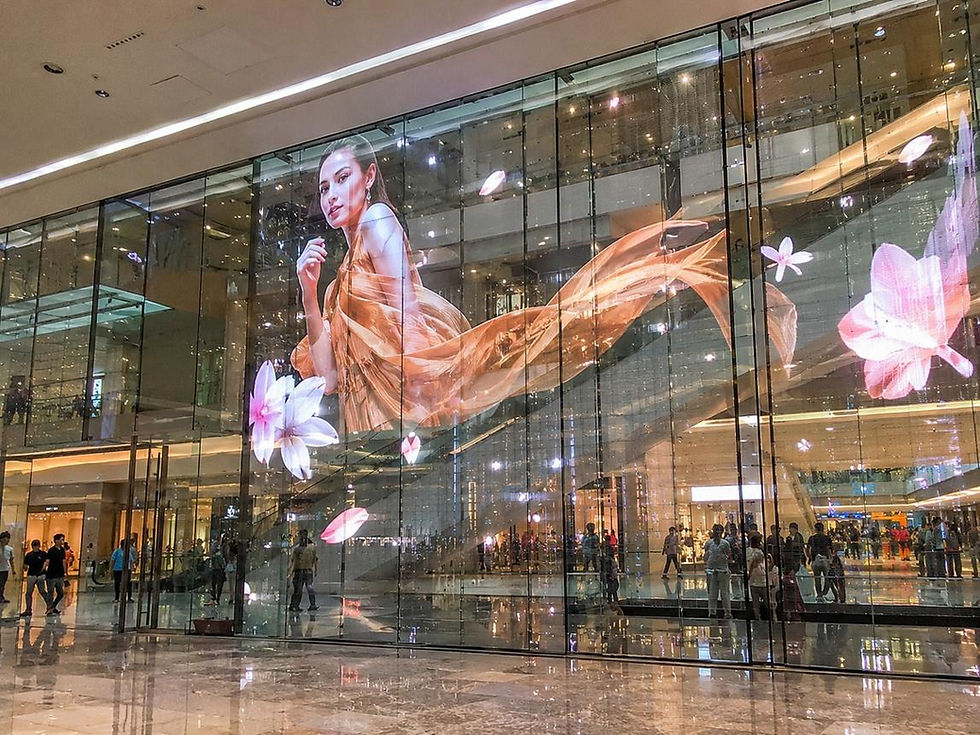
Shopping malls, chain stores, and storefront digital signage
· Education & Corporate Communication
Campus notice boards, enterprise dashboards, and internal communication screens
· Outdoor Advertising
Highway billboards, gas station signage, and roadside displays
· Mobile Media Platforms
LED trucks, taxis, and event-based promotional vehicles

6. Advantages
6.1 Centralized Web-Based Control
· Unified interface for managing distributed displays
· Accessible via PC, tablet, or mobile applications
6.2 Advanced Scheduling Flexibility
· Multi-layer timelines and playlist management
· Regional content customization and time-zone support
6.3 Rich Multimedia Compatibility
· Supports MP4, AVI, JPG, PNG, GIF, PPT, TXT, and dynamic data feeds
· Enables split-screen layouts and multi-zone content display
6.4 Real-Time Monitoring & Alerts
· Instant notifications for hardware faults or abnormal conditions
· Improves system uptime and reduces maintenance costs
6.5 Adaptive Communication Methods
· Seamless switching between Ethernet, Wi-Fi, and 4G/5G
· Ensures reliable data transmission in diverse environments
6.6 High Stability & Offline Reliability
· Continuous playback without network dependency
· Ideal for mission-critical and unattended installations
6.7 Cost Efficiency
· Reduced need for continuous bandwidth and on-site operators
· Lower infrastructure and maintenance costs compared to synchronous systems
7. Limitations
· Lack of Real-Time Signal Input
Not suitable for live broadcasting without hybrid integration
· Hardware Decoding Constraints
Limited processing power may require video compression or format conversion
· Manual Content Management Overhead
Frequent updates require re-uploading and scheduling adjustments
· Dependence on Network for Remote Updates
Poor connectivity may delay content synchronization
· Storage Capacity Limitations
Large video files may exceed onboard memory limits
8. Selection Guide
8.1 For Single Display Deployments
· Choose entry-level asynchronous controllers
· Focus on simplicity, reliability, and cost-effectiveness
8.2 For Chain Stores & Smart City Projects
· Deploy cloud-based cluster control systems
· Prioritize centralized scheduling and batch management capabilities
8.3 For Remote or Mobile Applications
· Select controllers with 4G/5G modules and SIM card support
· Ensure stable connectivity and remote accessibility
8.4 For Mixed Use (Live + Scheduled Content)
· Opt for hybrid systems
· Ensure compatibility with HDMI or other real-time input interfaces
8.5 Additional Selection Considerations
· Storage capacity (internal vs external)
· Maximum loading resolution and screen size
· Software ecosystem compatibility
· Security features (data encryption, user authentication)

9. Mainstream Brands & Products
Brand | Models | Key Features |
NovaStar | TB1, TB3, TB8, V-Can | Cloud control, scheduling, synchronization |
Colorlight | A100, C3, C7 | Mobile app, QR upload, cloud editing |
Huidu | HD-A6, HD-C36, HD-VP410 | 4G support, GPS tracking, offline playback |
Linsn | EX901, EX902, EX903 | Remote diagnostics, media decoding, audio |
10. Conclusion
The Asynchronous LED Display Network Cluster System is a scalable, reliable, and cost-effective solution for modern digital signage. By combining centralized management, offline playback capability, and flexible communication technologies, it enables efficient deployment of intelligent LED networks.
Its ability to operate independently while remaining centrally controlled makes it ideal for environments requiring continuous operation, minimal maintenance, and wide-area coverage.
As industries continue to digitize, asynchronous LED systems will remain a key technology for smart communication, advertising, and public information delivery.
Ready to upgrade your LED display network?Contact us today for expert consultation and customized solutions to maximize your LED system performance and visual impact.


Comments